Paladar · Brand & Product Design for a Social Dining App
Building a brand and its product together. Identity, voice and app, from the first idea to the first poster.





 Paladar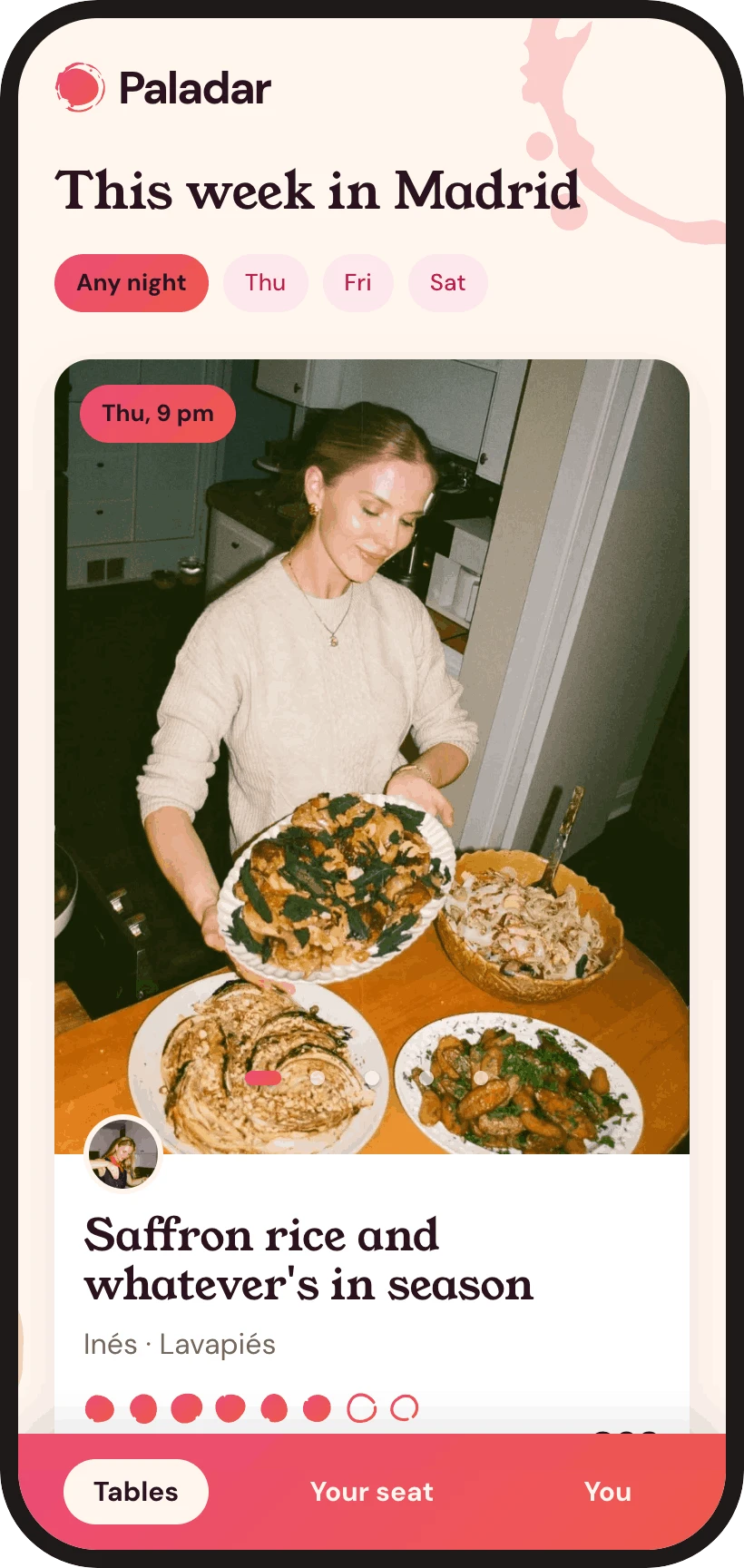
So many contacts.
So few people to have dinner with.
The city is full of people and of conversations that go nowhere: matches, followers, muted groups and "we should catch up". In Spain, one in five adults lives with unwanted loneliness. Among 18 to 24 year olds, more than one in three.*
It isn't loneliness.
It's small talk.
Nobody wants to be called lonely. And the problem isn't being alone either: it's knowing a lot of people without getting to know anyone. Another app for adding contacts won't fix that. A small table will.
One home. One table.
Eight people who haven't met yet.
Paladar is a platform where people in your city open their home and cook for a small table of people who haven't met yet. Dinner is the excuse: what you book is a seat in the conversation.
* Barómetro de la soledad no deseada en España 2024. Fundación ONCE and Fundación AXA.
From booking to seconds.
Someone opens their home
The host proposes a dinner: date, menu, price and between six and eight chairs.
Paladar stands behind every table
Paladar selects each host before publishing their dinner, backs it and covers it with insurance.
You book a chair, not a table
Guests come alone or, at most, with one other person. Nobody arrives as a group and everyone starts level.
Dinner happens without screens
When the door opens, the app disappears. It doesn't come back until the next day.
The day after, Seconds
Everyone says who they'd have seconds with. If it's mutual, Paladar seats them together again.
Paladar doesn't count how many people you know. It counts how many you see again.
A host, not an entertainer.
The name
In Spanish, the paladar is the palate: the roof of the mouth we eat, talk and share with. In Cuba, a paladar is also a family-run restaurant, traditionally set up in someone's home. The name already said the two things the brand had to bring together: a home and a conversation.
The promise
A table to stay at. Not another list of people.
The character
Warm, direct and a little ironic about all things digital. Paladar behaves like a good host: it welcomes you, introduces you, serves and steps back. It doesn't cheer, it doesn't push and it doesn't suggest games to break the ice.



 PaladarA palate for good company.PaladarA palate for good company.We say
 We don't say
The voice
Three rules for everything the brand writes, from a poster to a button.
01 · It talks like someone having you over
"Come in. We saved you a seat."
02 · It says concrete things
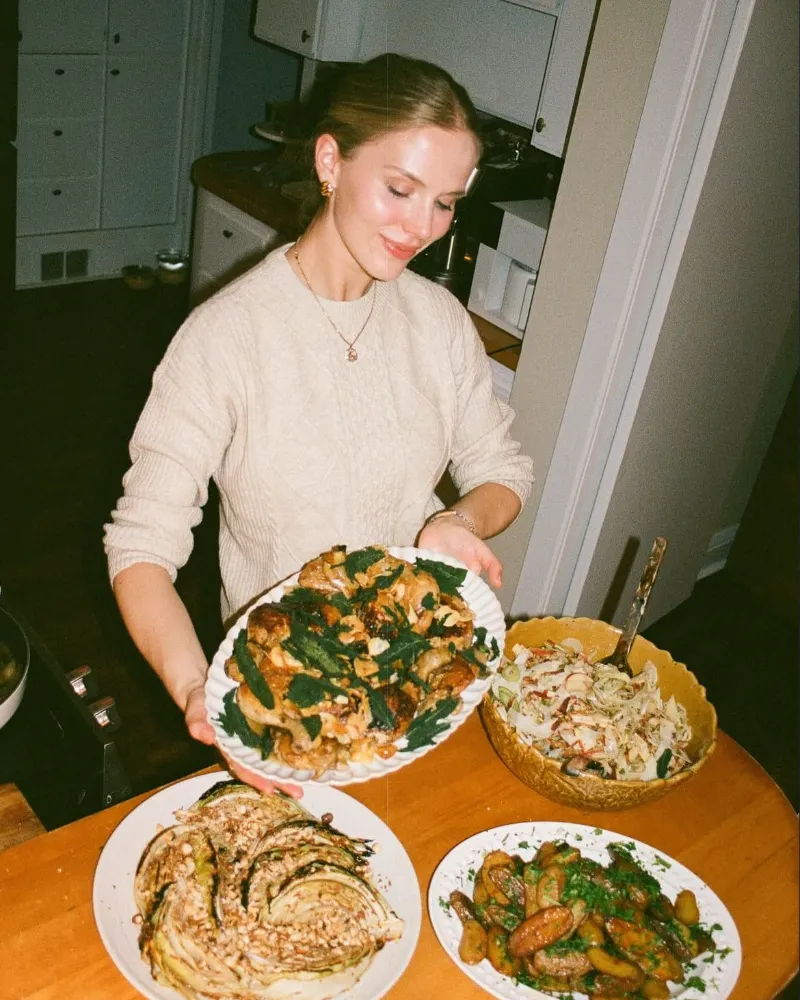
"Thursday, 9 pm. Saffron rice. Two chairs left."
03 · It laughs at digital life, never at people
"Nothing to swipe here."
The lines
- Small table. Big talk.
- The claim. It goes straight at the enemy: the opposite of small talk, the chat that goes nowhere.
- A palate for good company.
- It sits next to the logo and explains the name.
- Pull up a chair.
- The invitation, at the end of any piece.
- Strangers are an acquired taste.
- The idea for its audience, people over thirty: at a certain age, meeting new people is a taste you learn.
- Seconds.
- The name of the day-after feature. A second helping and, here, a second evening with someone.
- Word of mouth.
- The name for what guests say about each other: a good word instead of stars.
Big talk.
The night and what's left.
Paladar had to look like what it promises: something real, a little untidy and hard to fake. The system tells a dinner in two moments, and each has its own language.
01 · The mark
The logo is a ring mark: the stain a glass of wine leaves on the tablecloth, drawn by hand. It sits next to the name, Paladar, set in the same typeface the app is read in.
A wine ring, drawn by hand.
Paladar
x
x/4PaladarPaladar Paladar180 px88 px40 pxPaladarx/2
Nothing closer than half the mark.
Mark · 32 pxPaladarLogo · 20 px mark · 18 px wordNever smaller than this.
PaladarPaladar02 · The ring marks are what's left
The logo is one. These are the rest: the marks that glasses, plates and cups leave on the tablecloth once everyone has gone. Drawn by hand, never a perfect circle, never lined up. On a background they are stains; in the app they slim down to a single line. You can no longer see the people, but you can tell they were there.
0102 0304
0304 05
05Drawn by hand. Background only.
 01
01 02
02 03
03 04
04 05
05 06
06 07
07 08
08 09
09 10
10 11
11 12
12One line, one gap, round ends.
Gradient on cream. Cream on the gradient.
The tablecloth after dinner: cut by the edges, turned, never tidy.
 4
4






 8 chairs · 2 left
 8 chairs · 1 left
 Table's full
Filled means taken. It's the only line mark that is ever filled.
Pull up a chair03 · Colour invites
The gradient, from pink to coral, is Paladar's colour and goes on everything that invites you to sit down: covers, backgrounds, the button to book a chair, the pills and the mark. Cream and ink are for reading. Grey is for everything Paladar is not.
One gradient, one direction: pink to coral, top left to bottom right.
A darker gradient for buttons, so white text stays readable.
The mark and ring marks on creamWhite on the brand gradient is for headlines only.
04 · Two typefaces
One with character for what the brand says out loud, and a clean one for what has to be read quickly on a screen.
Big talk.
abcdefghijklmnopqrstuvwxyz
0123456789
Claim, headlines, what the brand says out loud.
abcdefghijklmnopqrstuvwxyz
0123456789
Screens, details, anything read quickly.
Paladar05 · The photo is the night
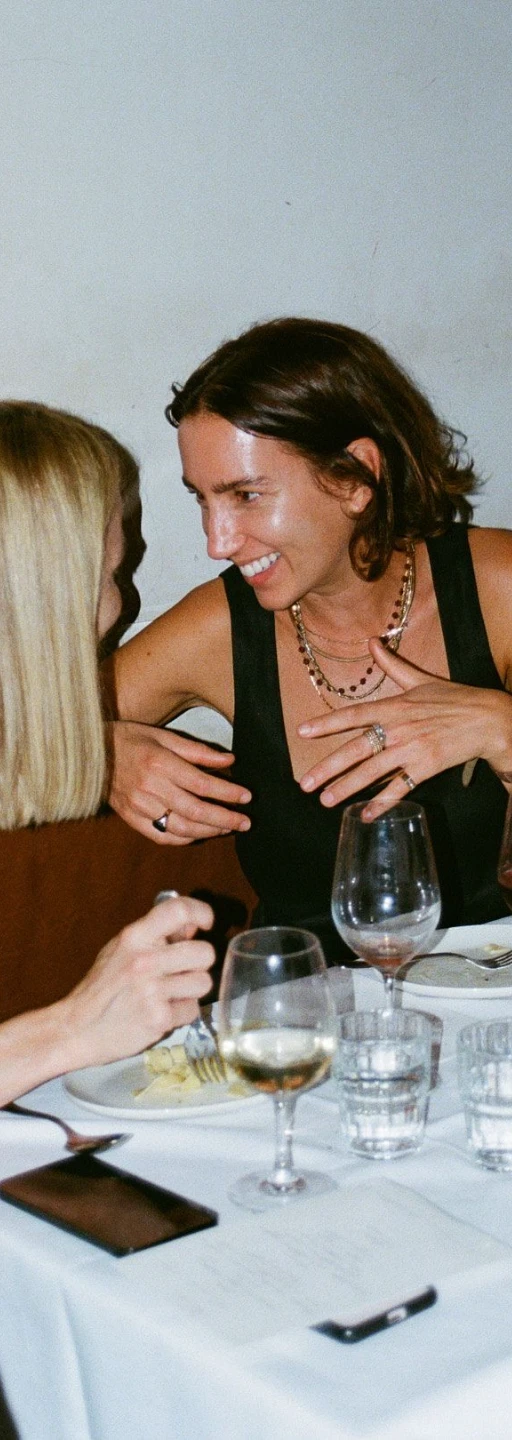
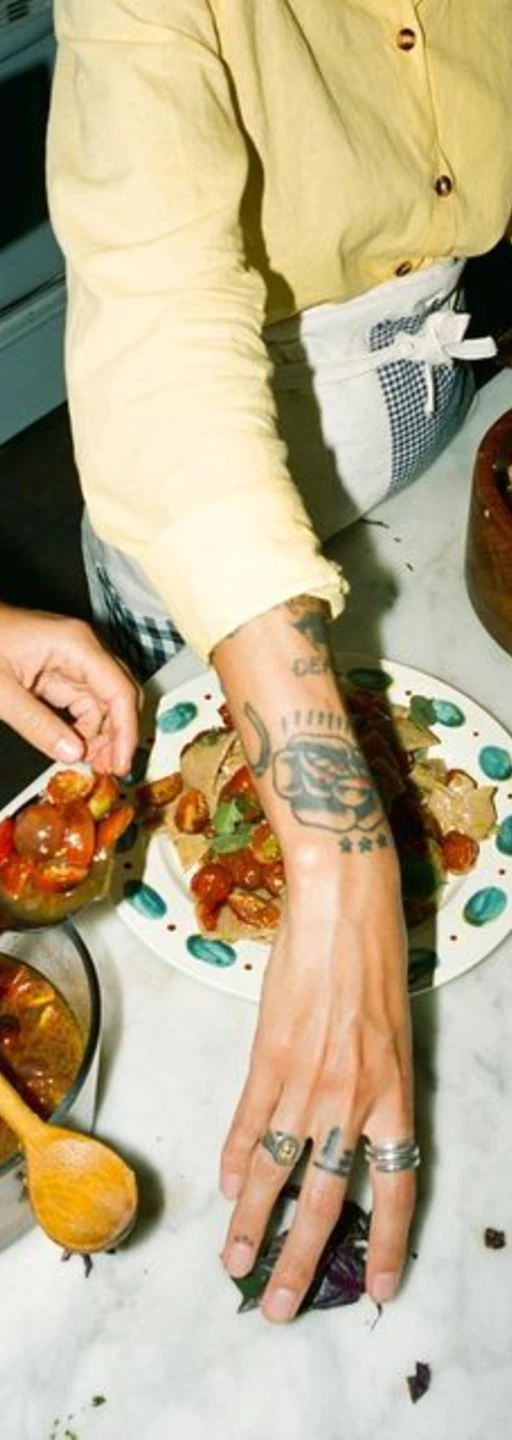
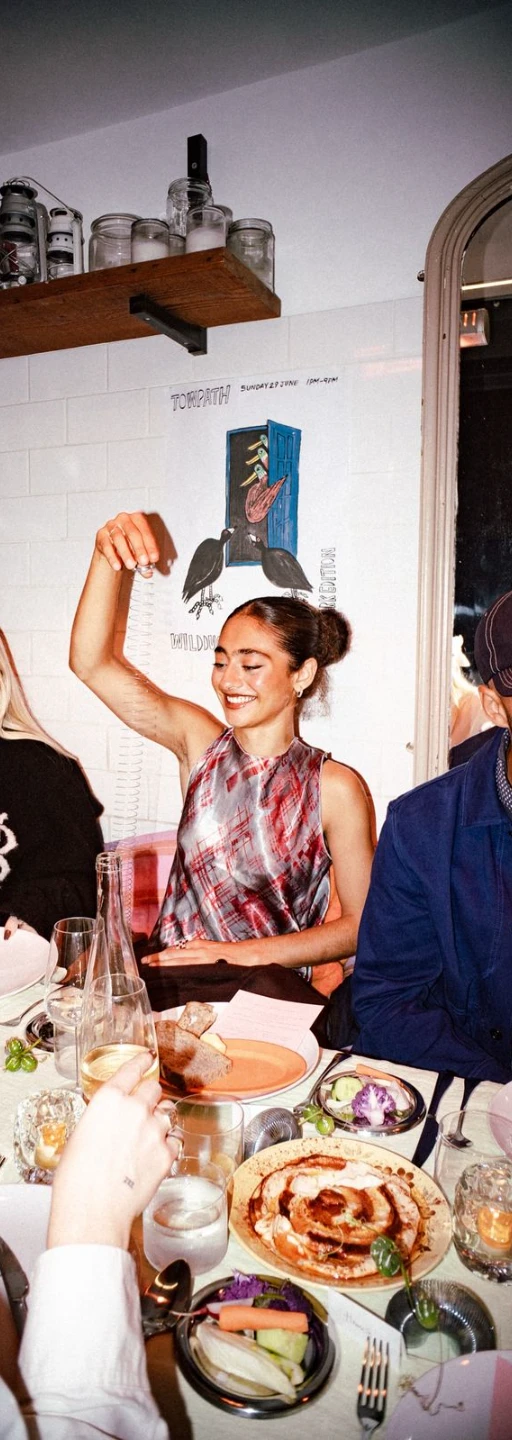
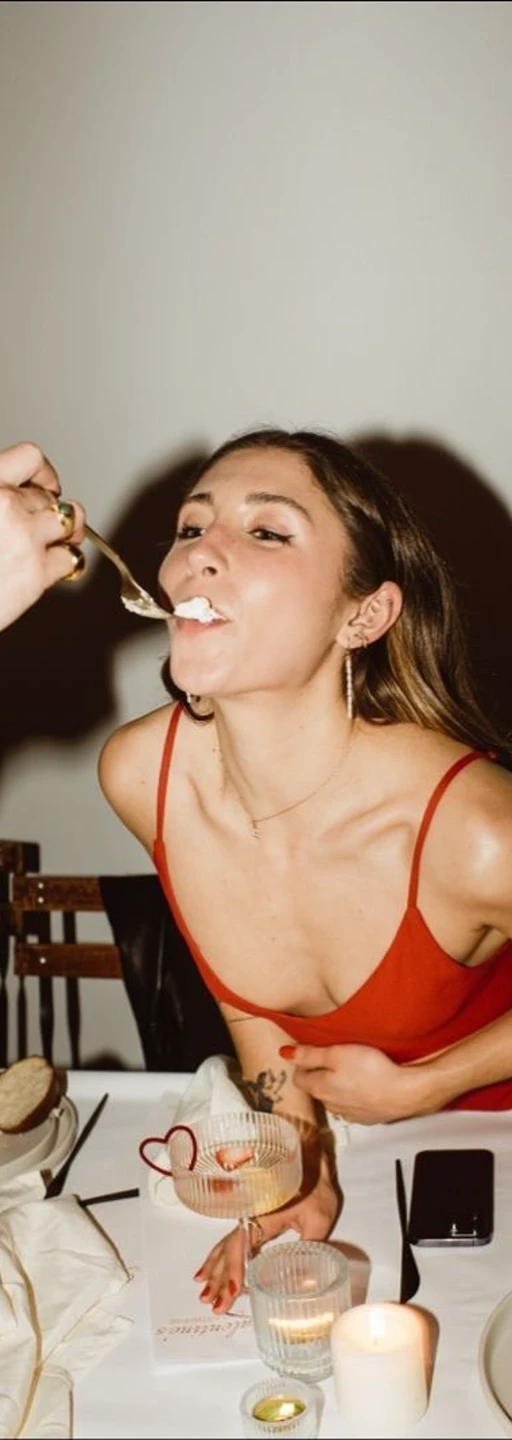
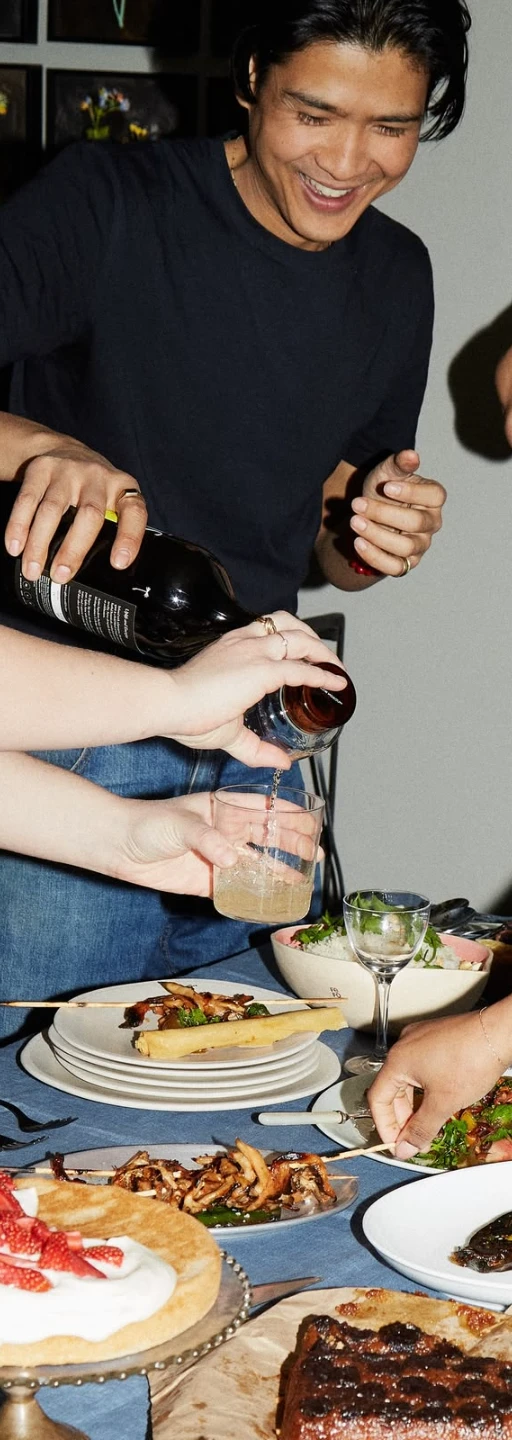
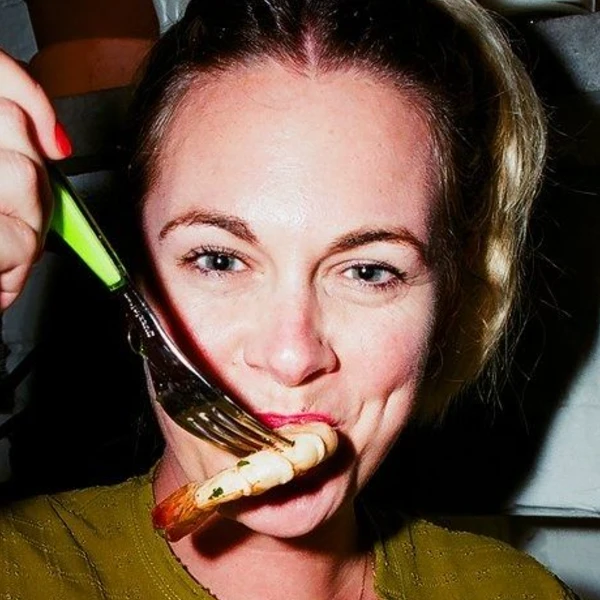
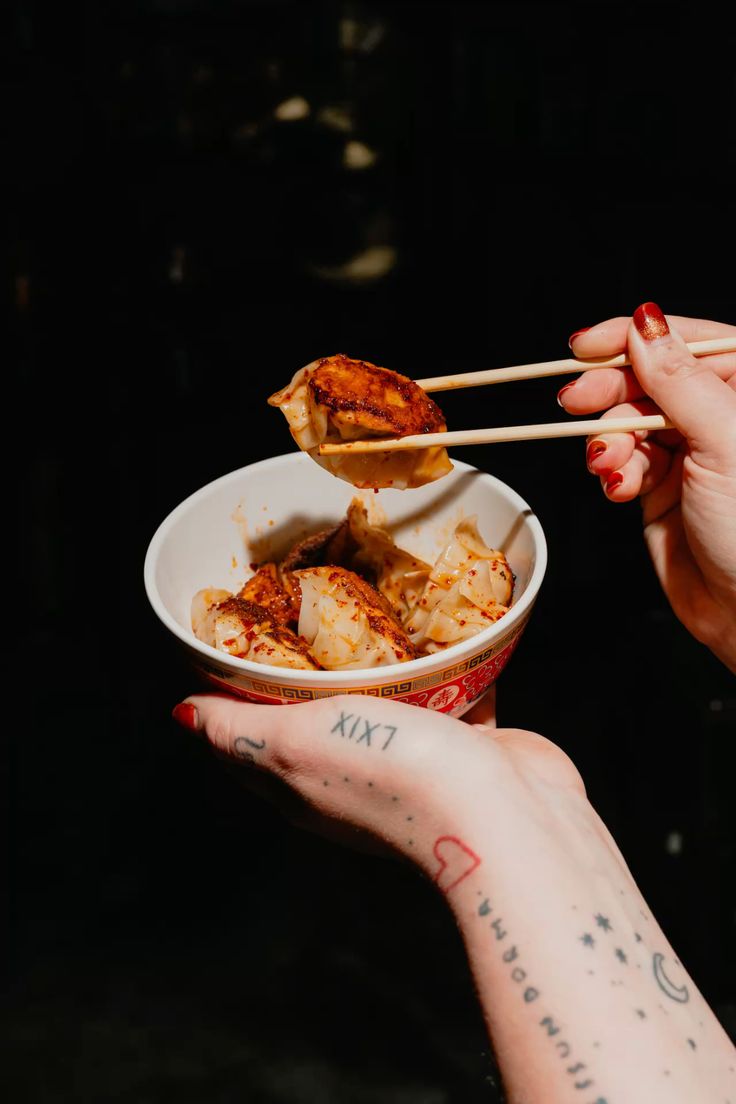
Real people, in real homes, in whatever light there is. Faces, hands, half-finished plates. Nobody poses and nothing is arranged for the camera.
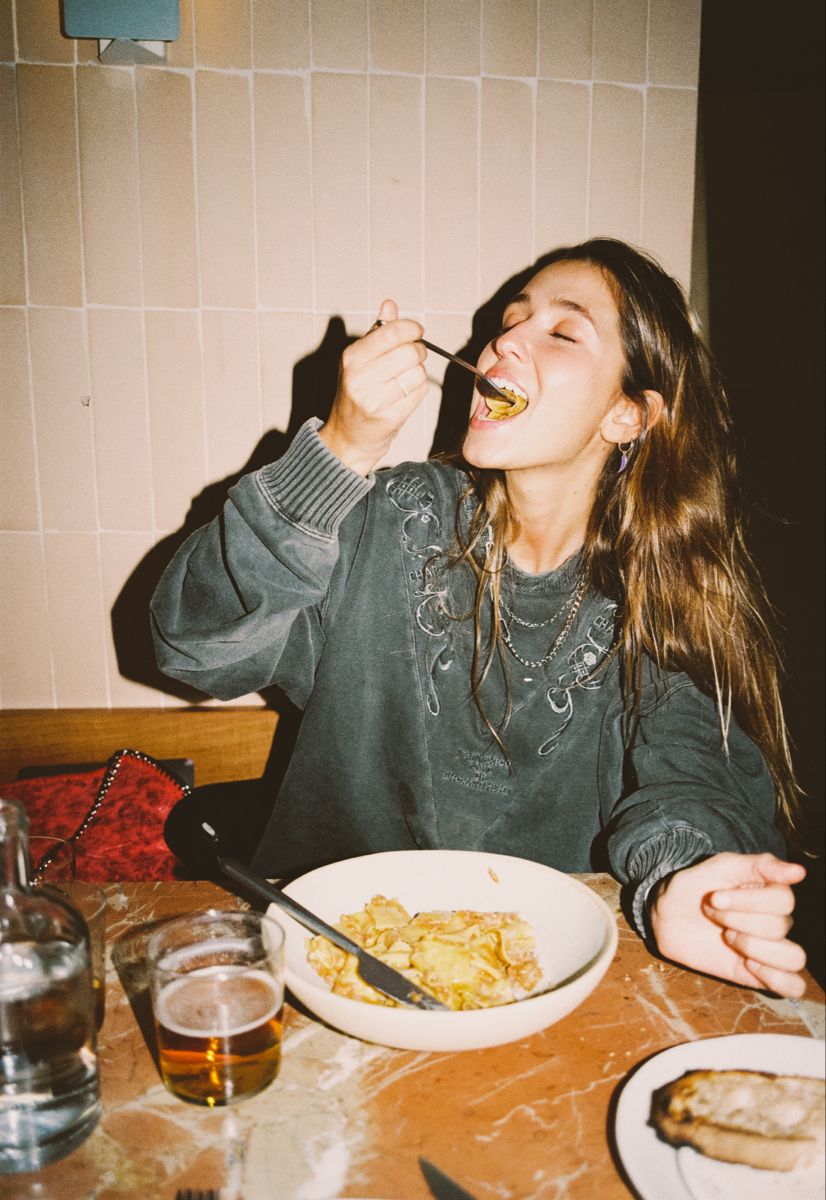
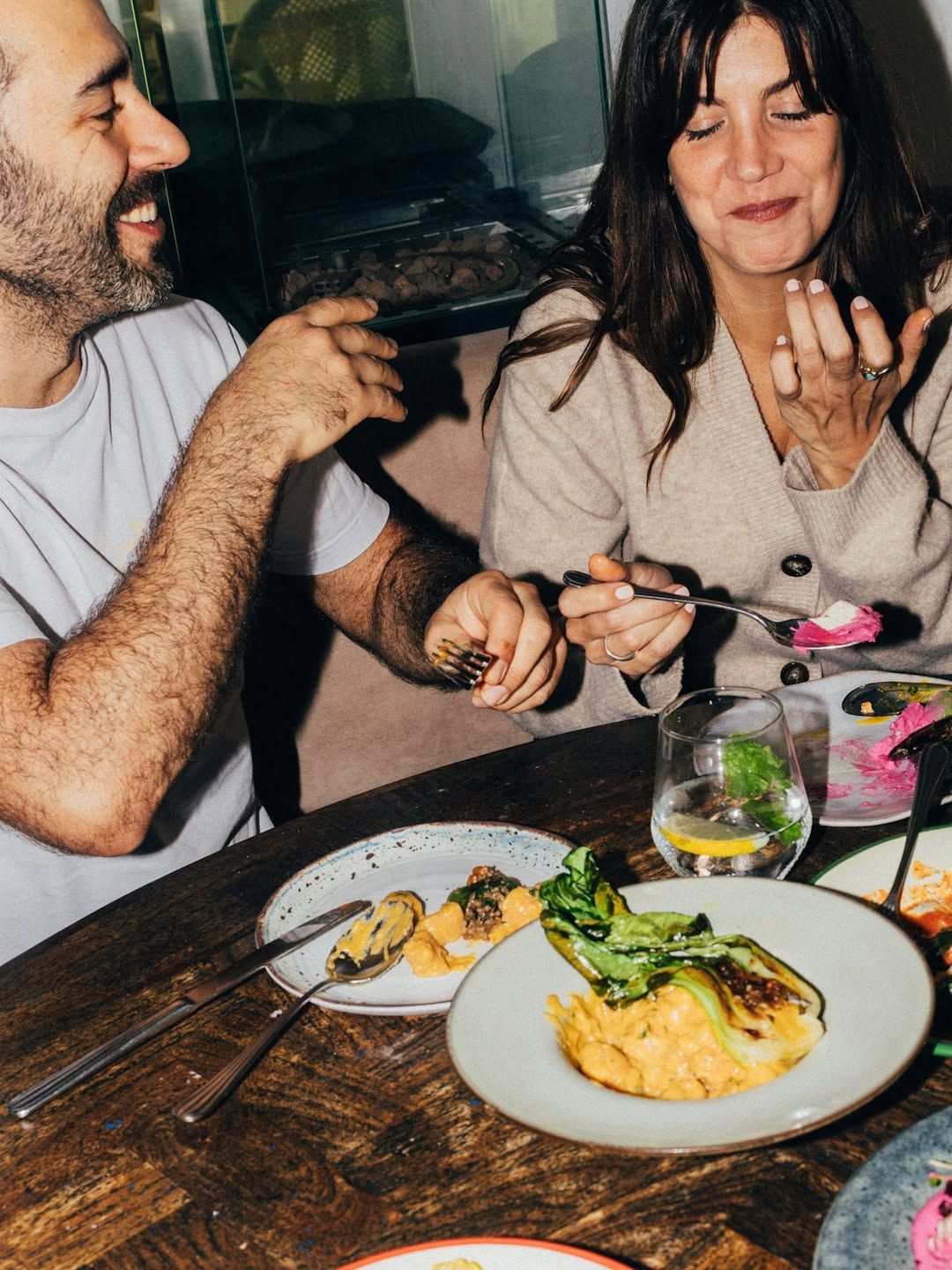
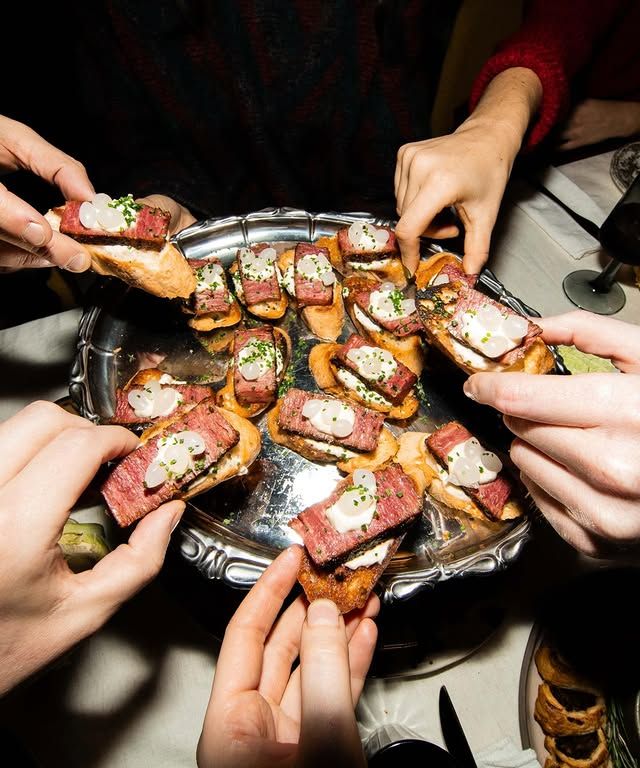
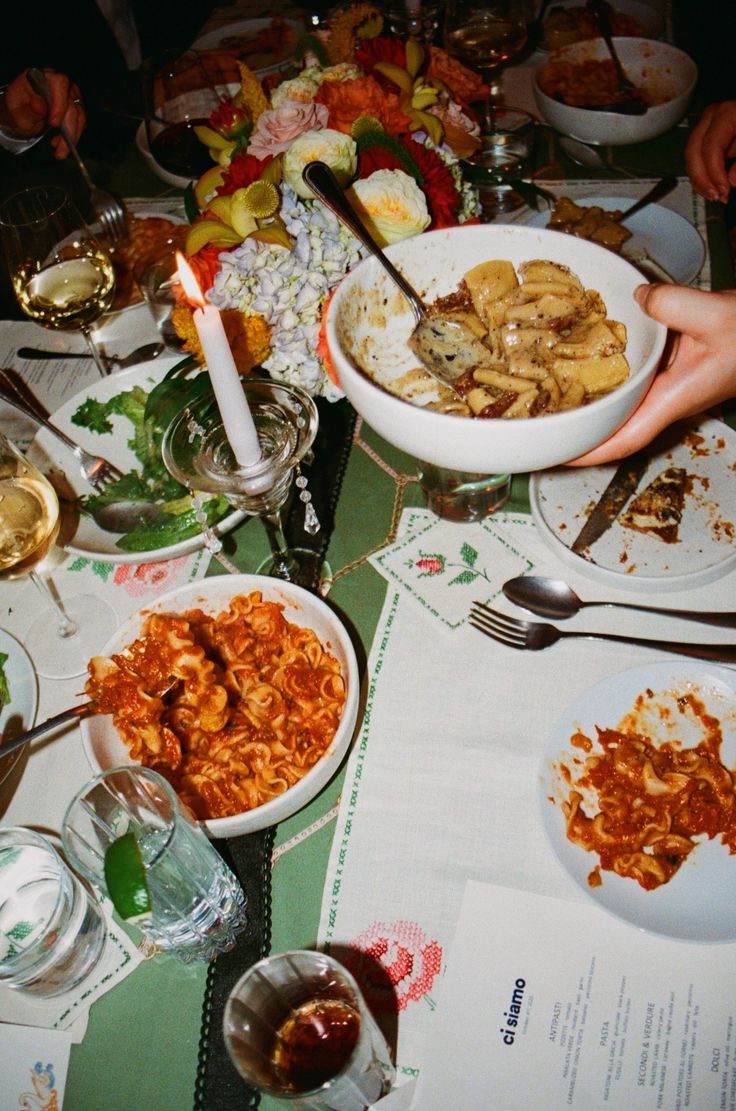
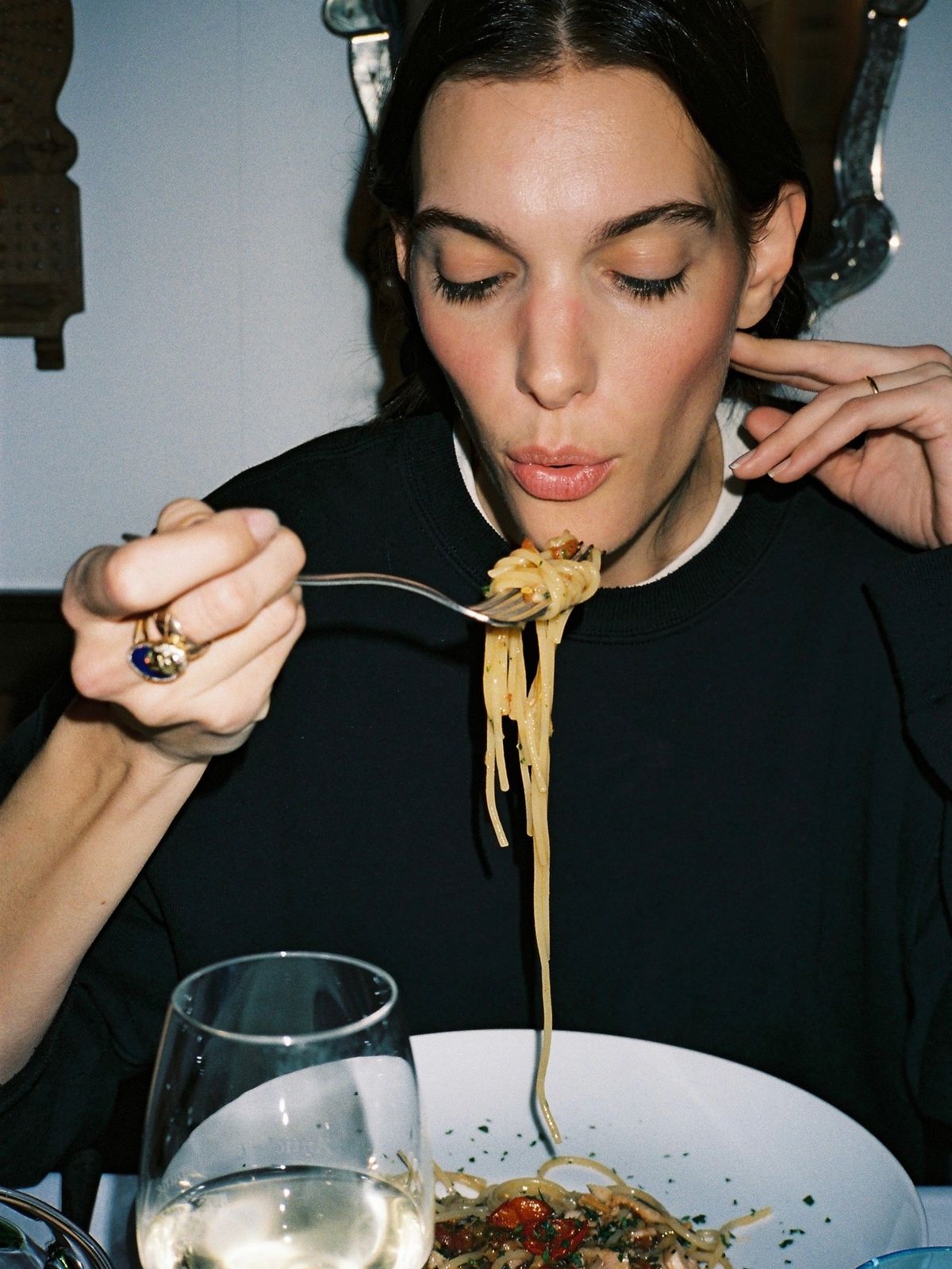
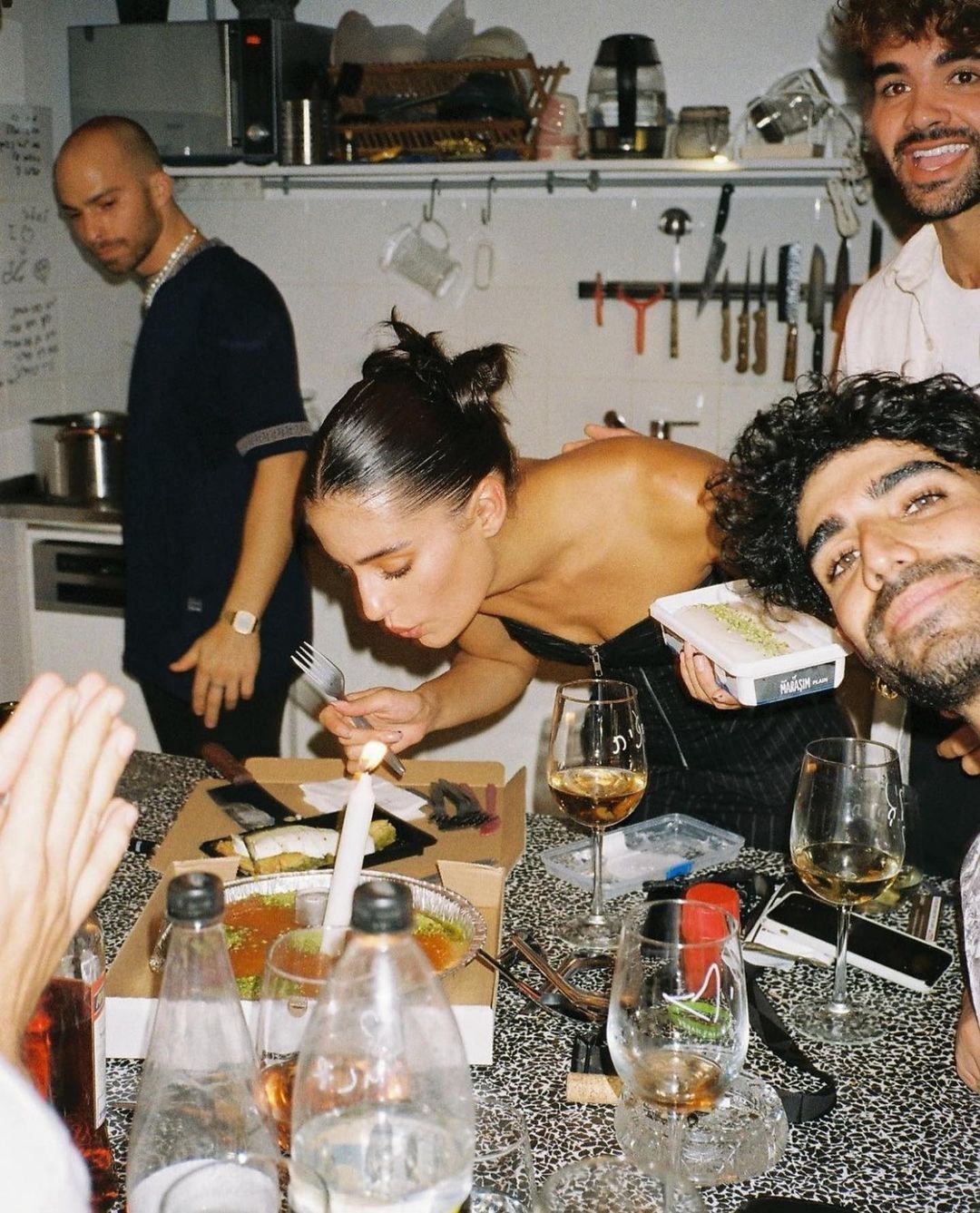
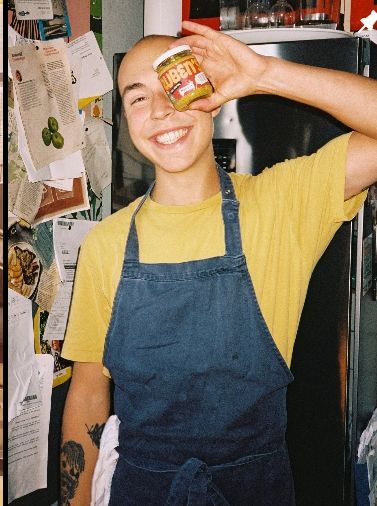
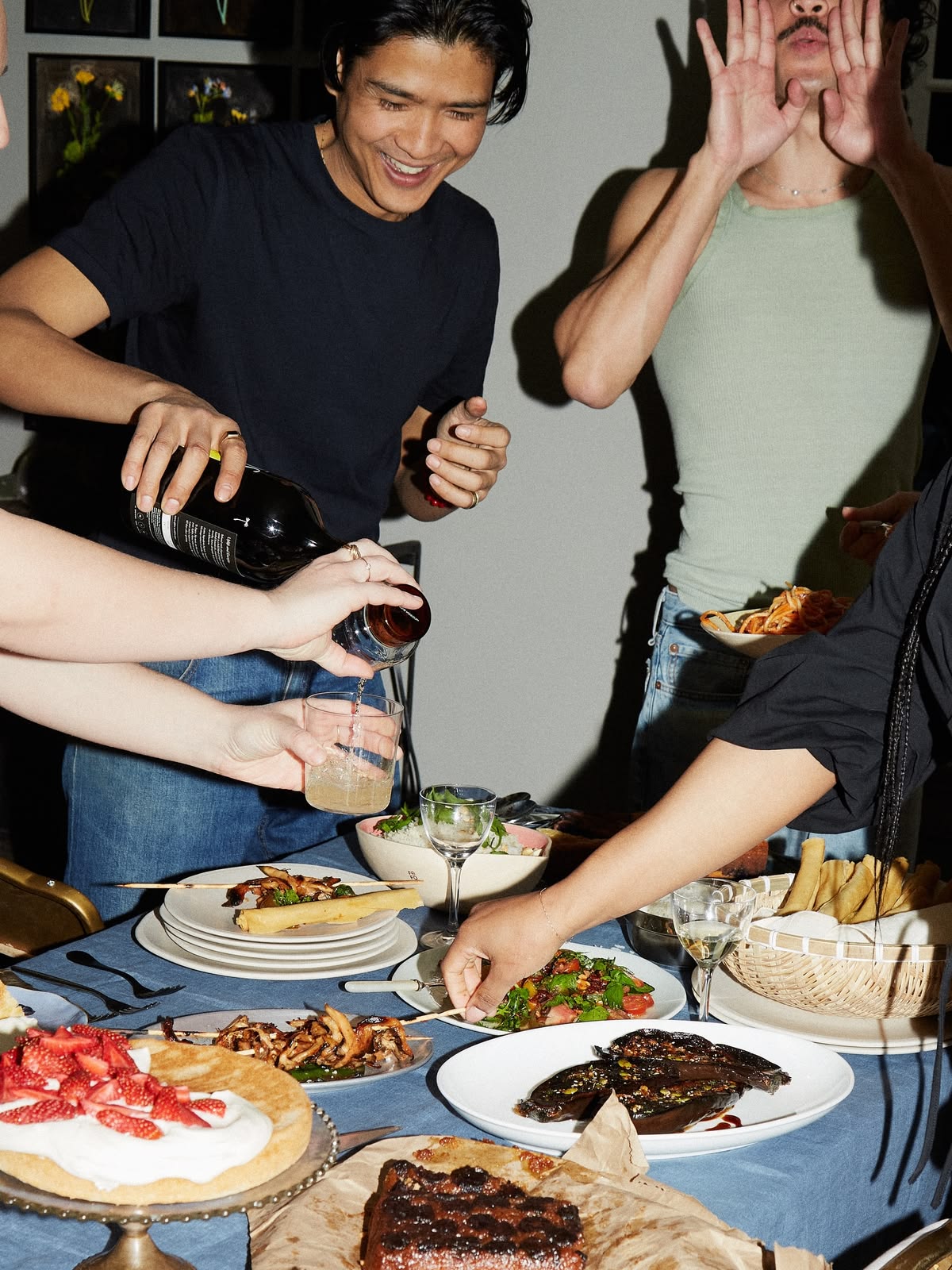
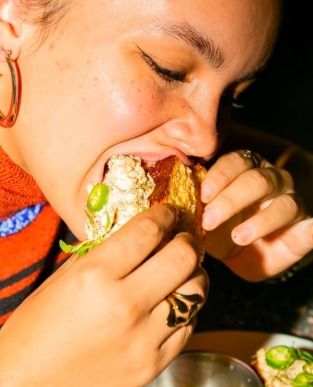
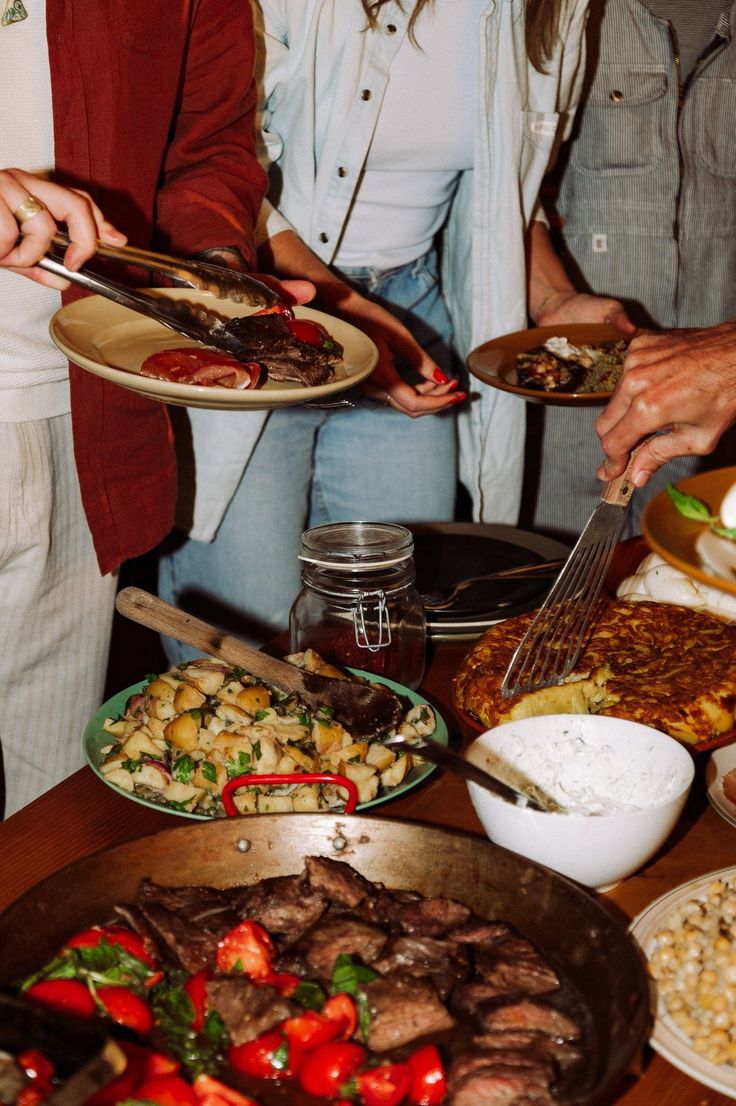
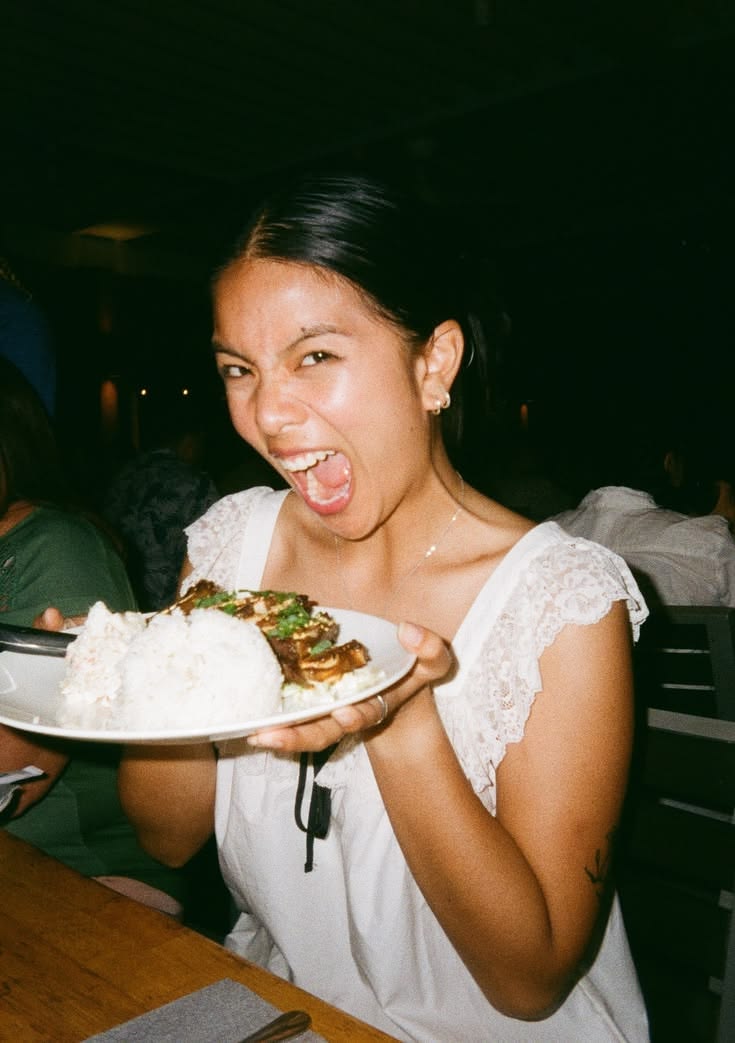
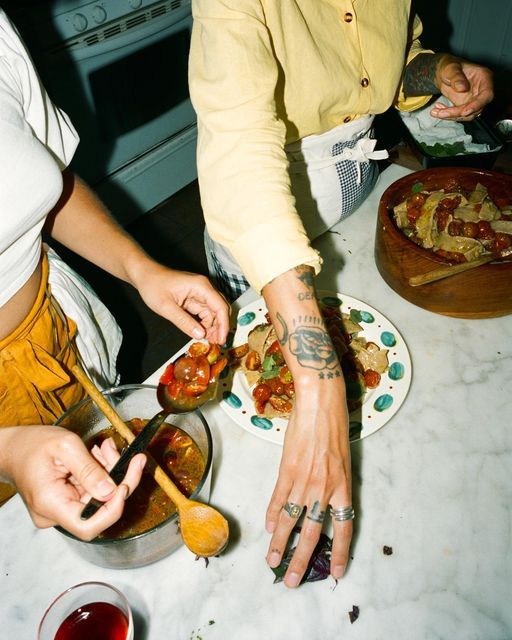
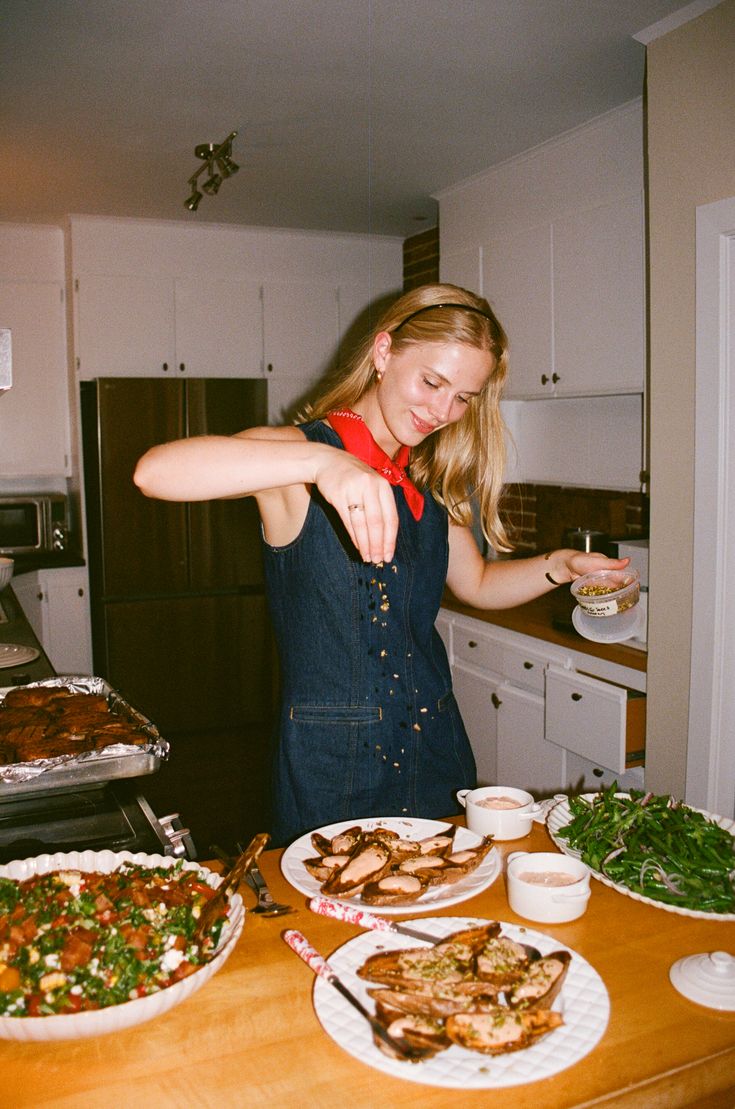
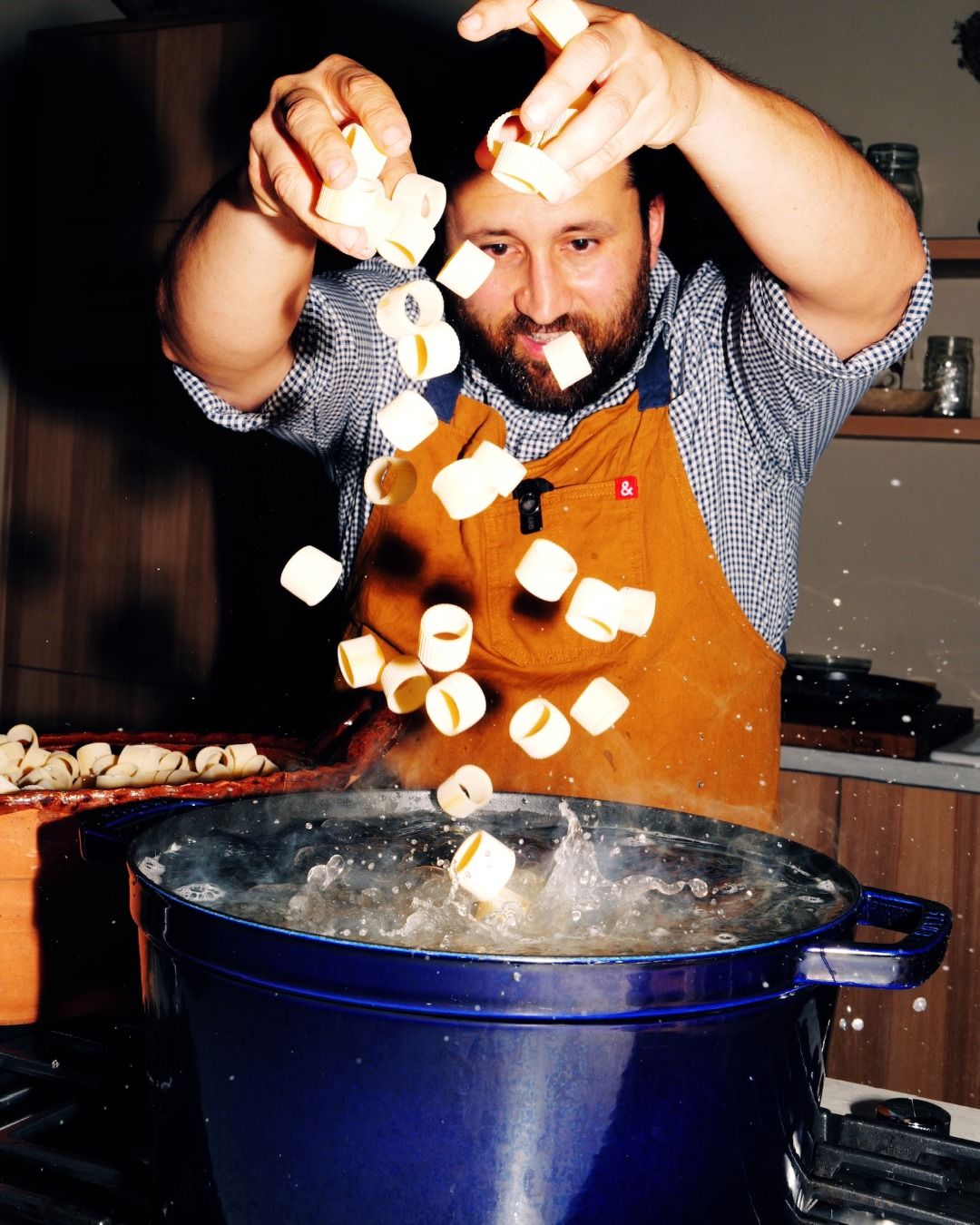
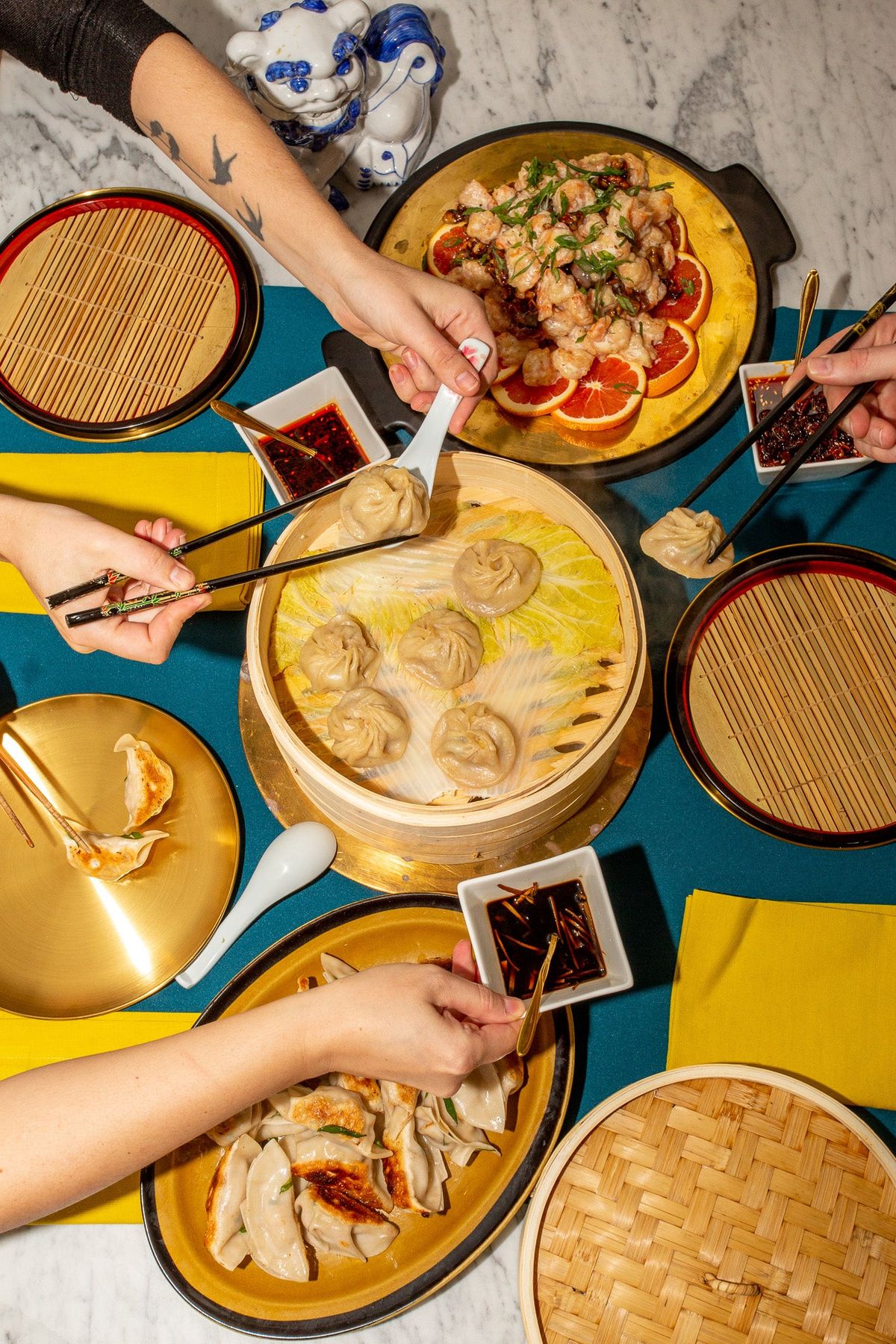
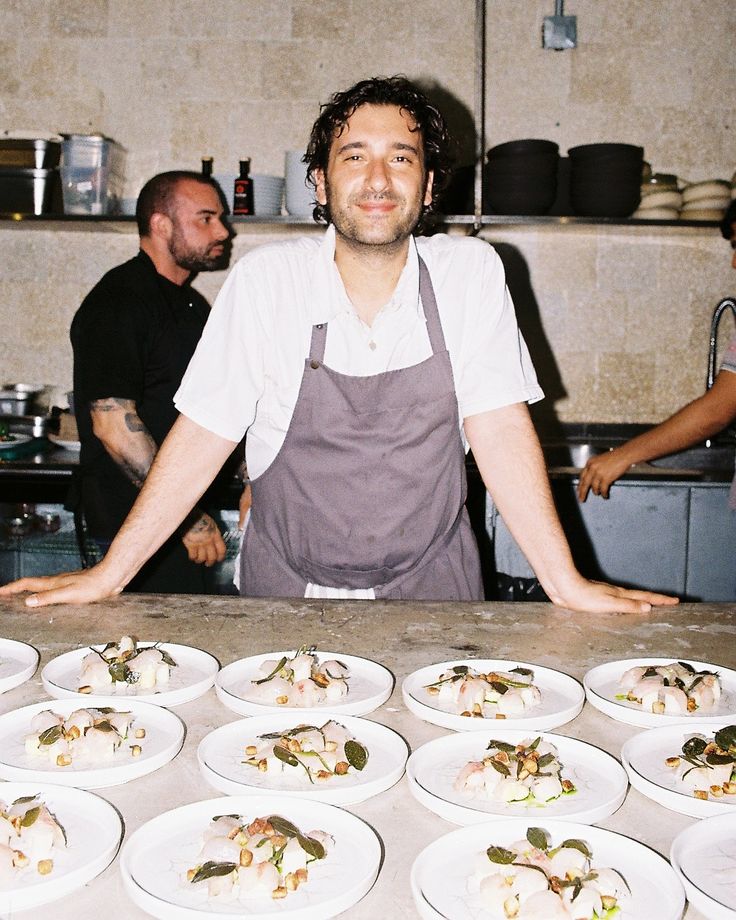
4:5 · 390 × 488 · drawn at ½
4:5 · 350 × 438 · drawn at 0.4
4:5 · 64 × 80 · radius 12
1:1, circle · 112 · 88 · 64 · 56 · 44 · 28 · 24
06 · The rules, on screen
Buttons, pills, cards and the tab bar: every piece of the app is built from the five rules above. With them, a new piece isn't designed from scratch: you set the table.
Action gradient · white
Cream · ink
32 px · radius 16 · 12 px sides · brand gradient · ink · 13/18 700
32 px · radius 16 · 12 px sides · #FDE7EC · #B81F52 · 13/18 500, +6%
Brand gradient + ink / #FDE7EC + #B81F52 · 44 px tap area
DM Sans 500 · 13/18 · uppercase · +6%
52 px high, radius 26, 20 px inside, 1.5 px border in #B9B2AC. DM Sans 16.
Thu, 9 pm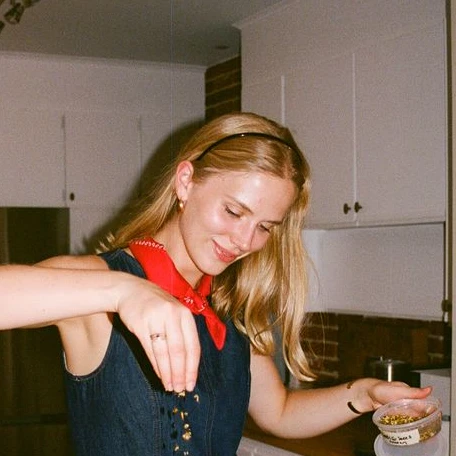 2 chairs left€38
Tortilla, with onion. Not up for debate.
Me, plus oneHost selected. Dinner insured.
Text only. No icons, no badges, no counters.
Photo is for the night. Ring marks are for what's left. Colour is for what invites.
An app that knows when to leave.
Paladar's app was designed the opposite way to almost every other: to be used very little. It helps you find a table, book a chair and, the day after, say who you'd like to see again. During dinner it does nothing.

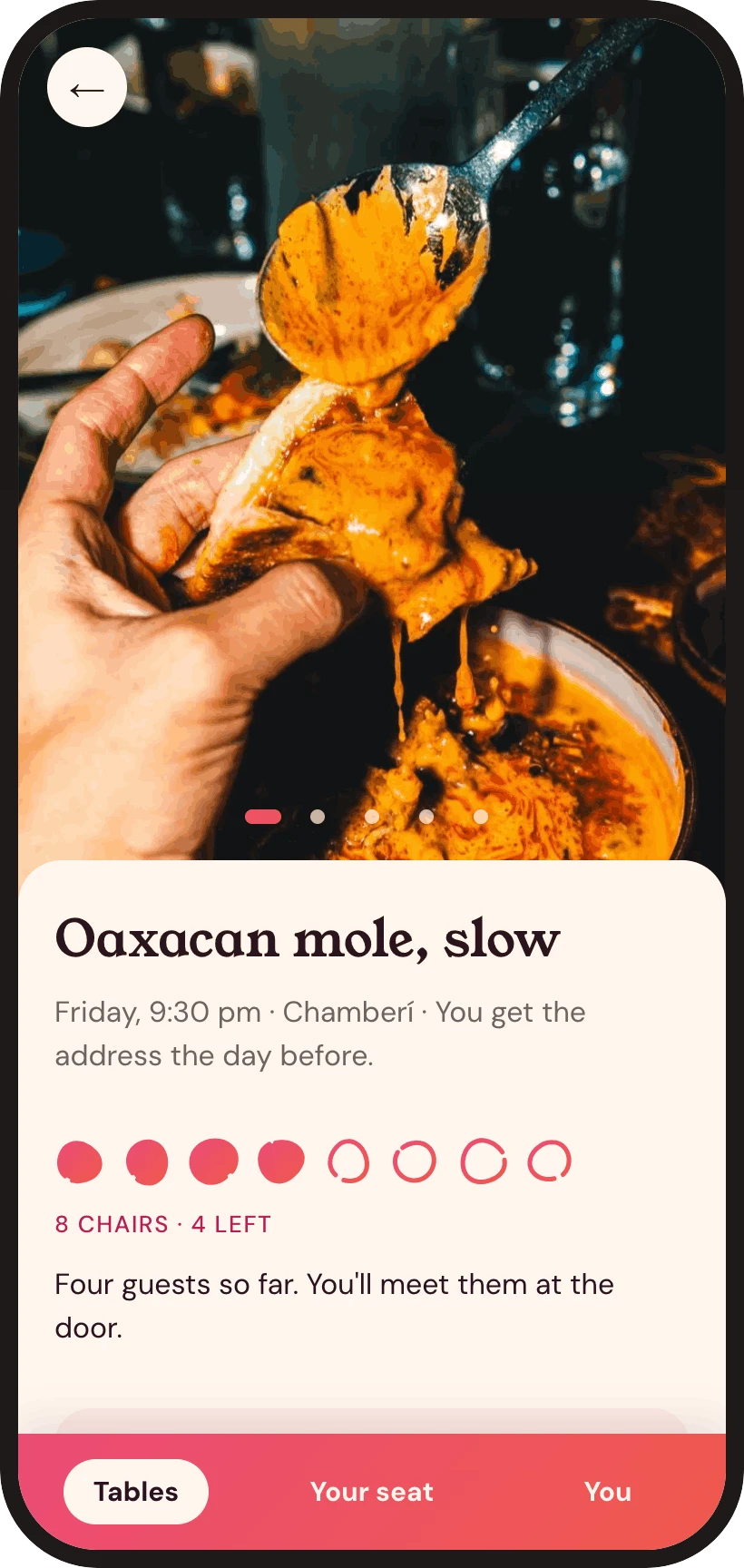
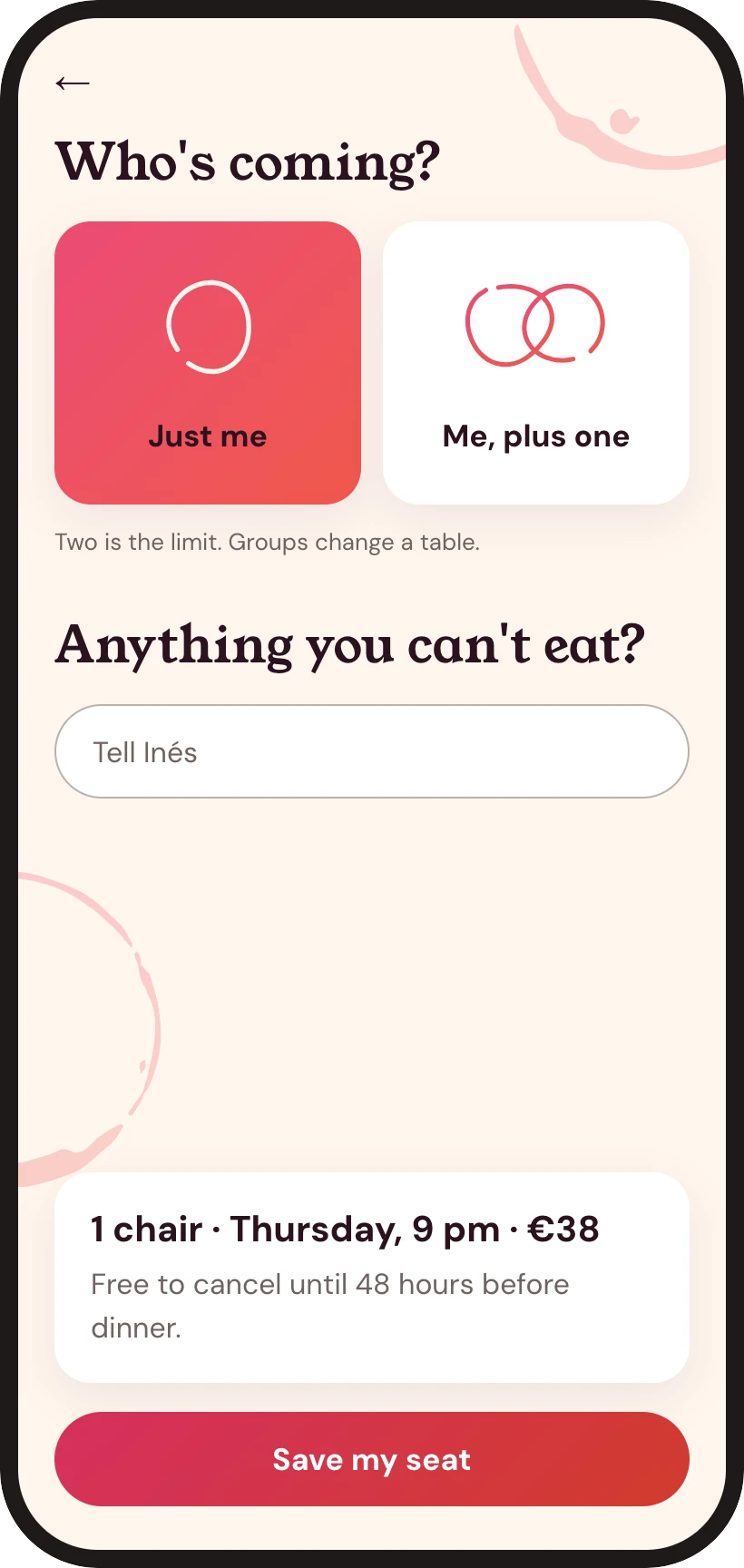
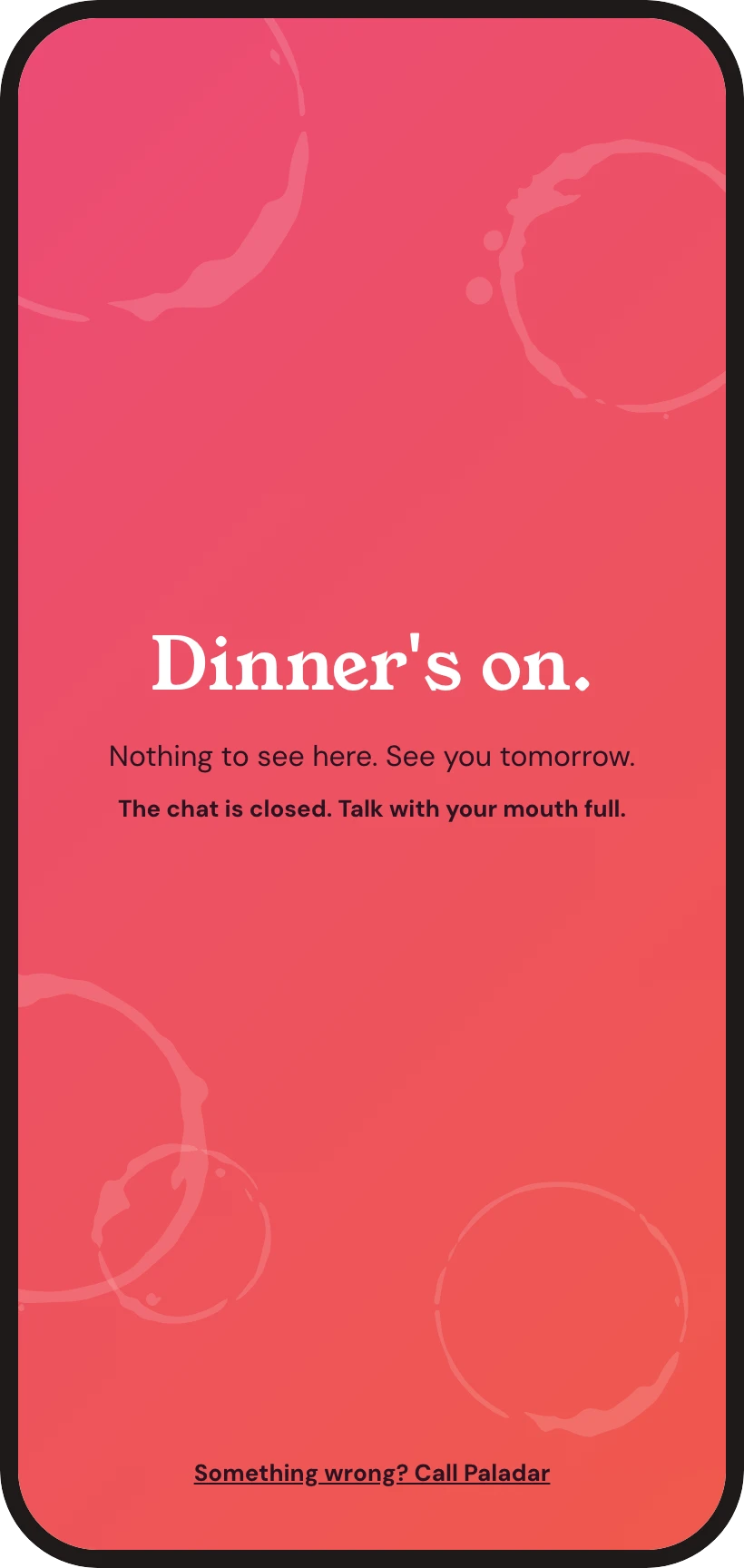
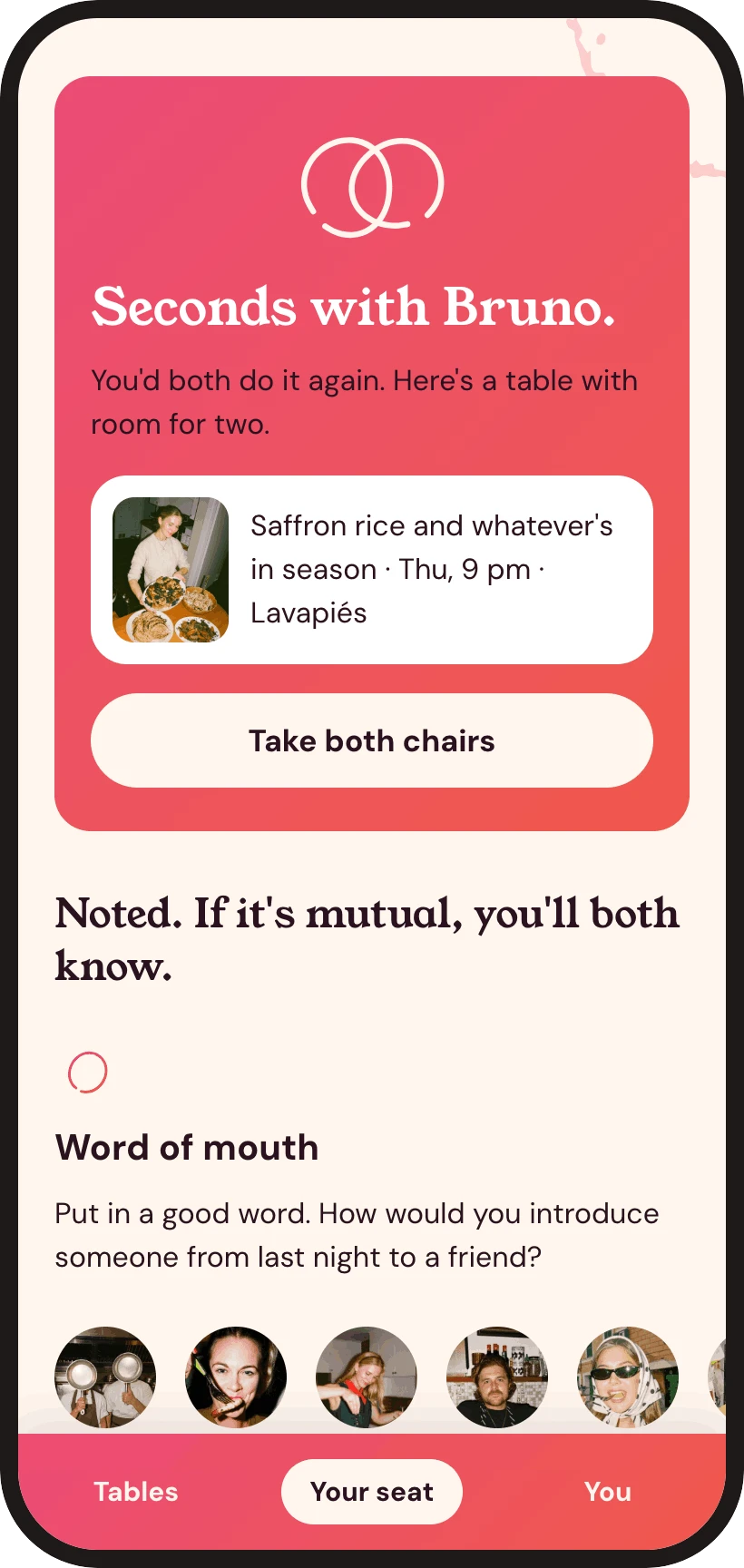
Four decisions come straight from what the brand stands against.
Nothing to collect
No feed, no likes, no followers. The list of this week's tables comes to an end, and the app says so.
A profile without posing
Three questions instead of a bio: what you cook, what you talk about and what you bring to the table.
A chat that expires
It opens to organise the dinner and closes when dinner starts.
The numbers are small
The chairs that are left and the faces you see again. No others.
Try it: pull up a chair.
This is a working prototype of the Paladar app. Book a seat at any table and see what happens the morning after.
Seconds. The day after, each guest says who they'd have seconds with. If it's mutual, Paladar seats them together again.
Word of mouth. Instead of stars, anyone can introduce someone else in a sentence, the way you'd introduce a friend.
What doesn't fit on a screen.
Paladar happens in a home, not on a phone. During dinner the app steps aside, so the brand had to stay in the room another way: on paper, and written by hand. Paladar brings the paper; the host brings the hand.
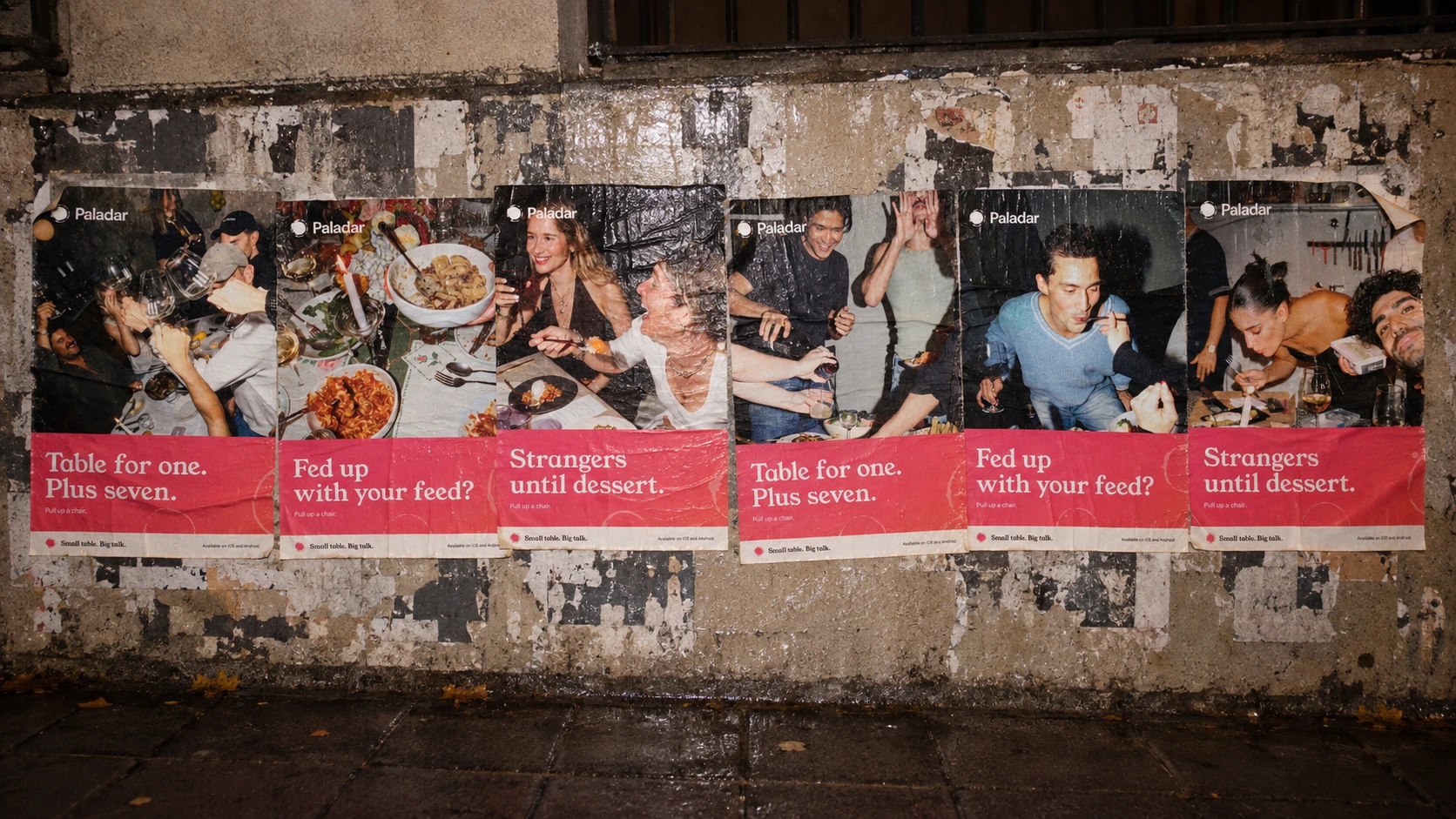
On the street, the poster. Pasted on walls, the way gigs are announced.
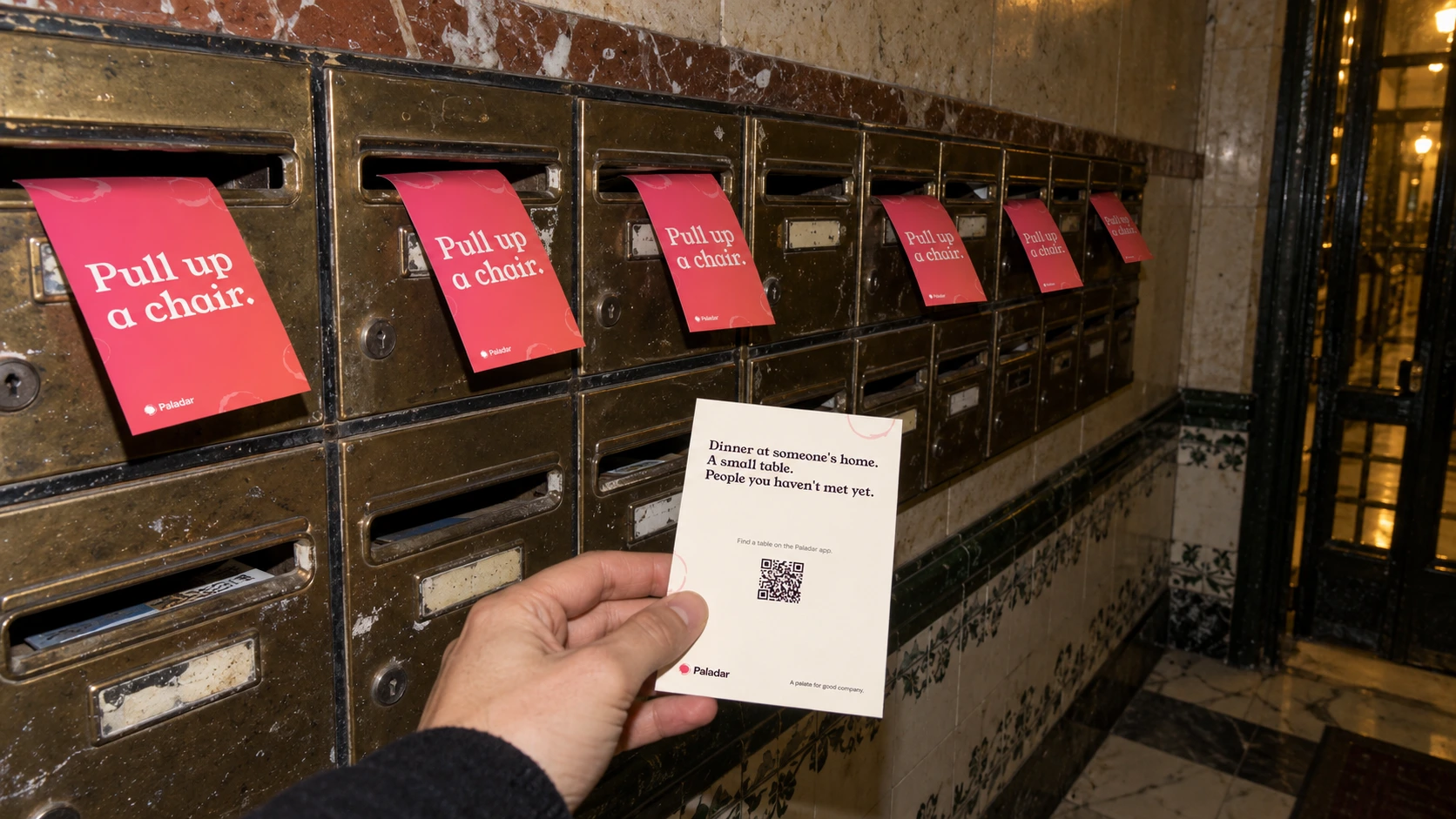
At the door, the invitation. Left in the neighbours' letterboxes by the host.
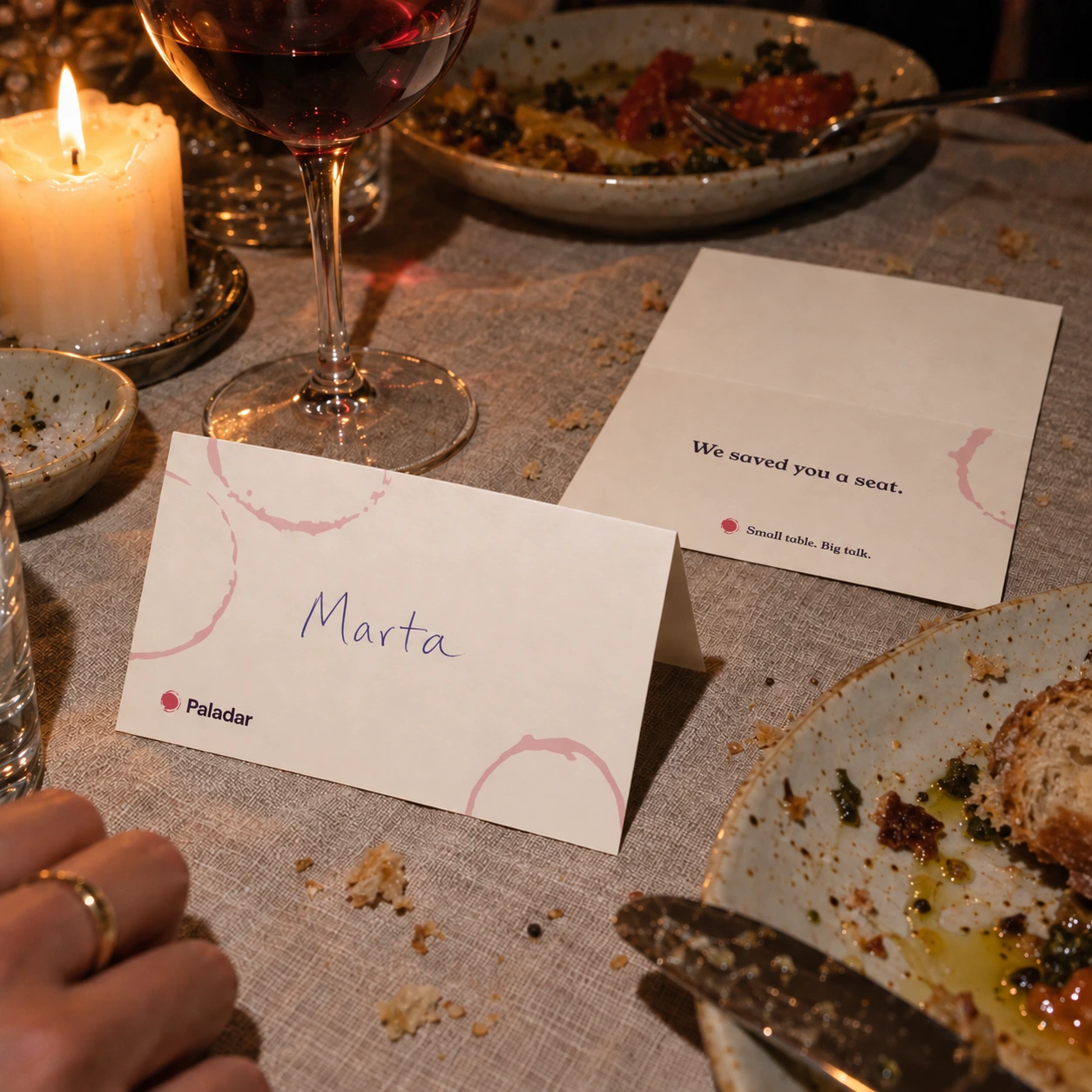
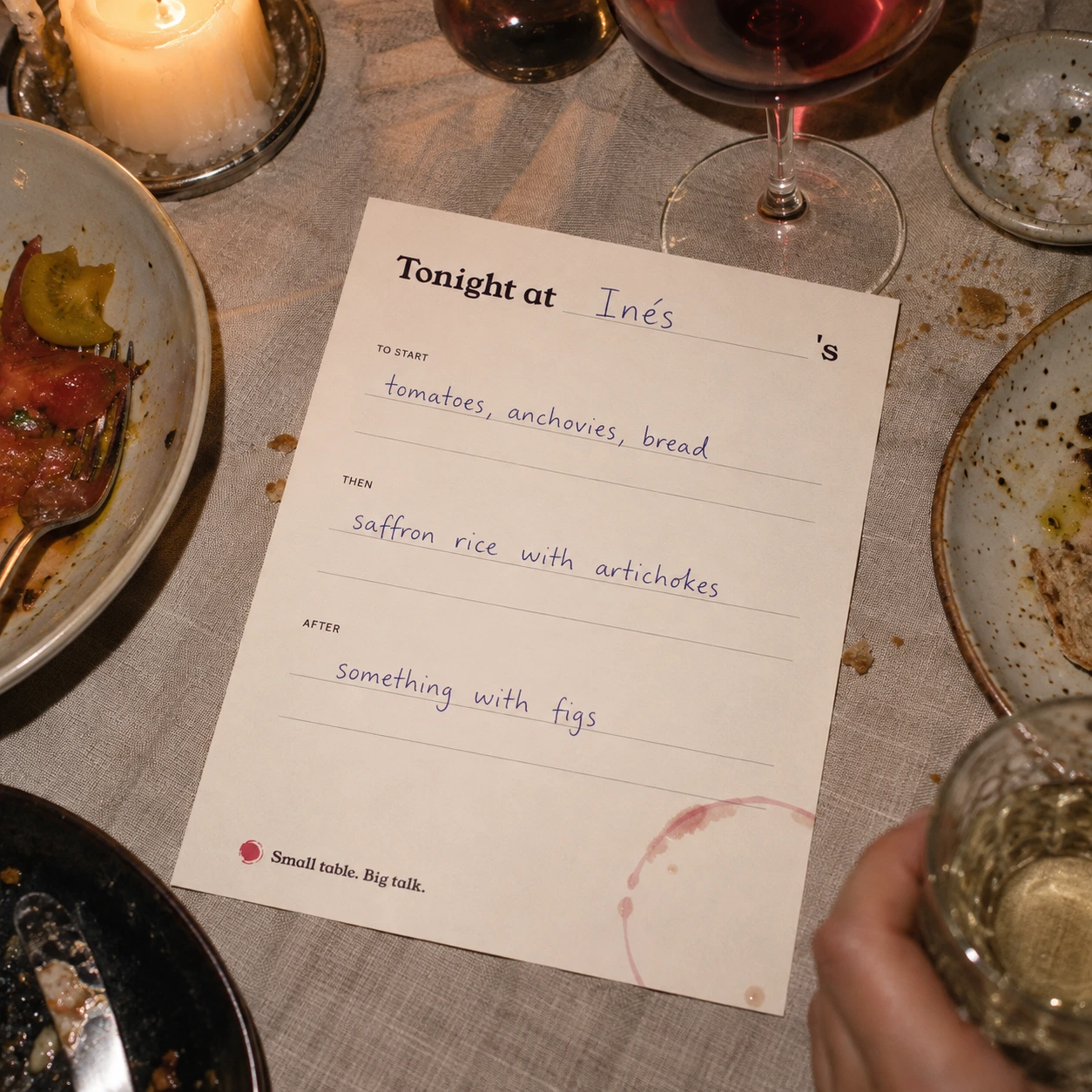
On the table, the place card and the menu. Both in the host's handwriting.
Poster · Invitation · Place card · Menu
Pull up a chair.
Paladar began with an enemy, small talk, and with a question: how do you design a digital brand whose best moment happens without screens? The answer is a system in two moments, the night and what's left, that works just as well for an app, a feed and a poster.
What holds it together isn't the gradient or the ring, but one decision: take away everything that can be collected and leave only a small table and a big conversation.
Small table. Big talk.
A feed that sends you out to dinner.
A brand that is fed up with feeds still needs one. The carousel does what the app does: it shows this week's table, who is cooking and what guests say about them. Then it tells you to stop scrolling.
Stories do one job each: fill tonight's last chairs, win new downloads, find the next hosts and bring last night's guests back.
swipe here.
Chamberí.
Two chairs left.
your feed?
A small table.
People you haven't met yet.
We fill the chairs.